
The ultimate goal of our research is to offer novel targeted therapeutic strategies for clinical translation to combat cancer.
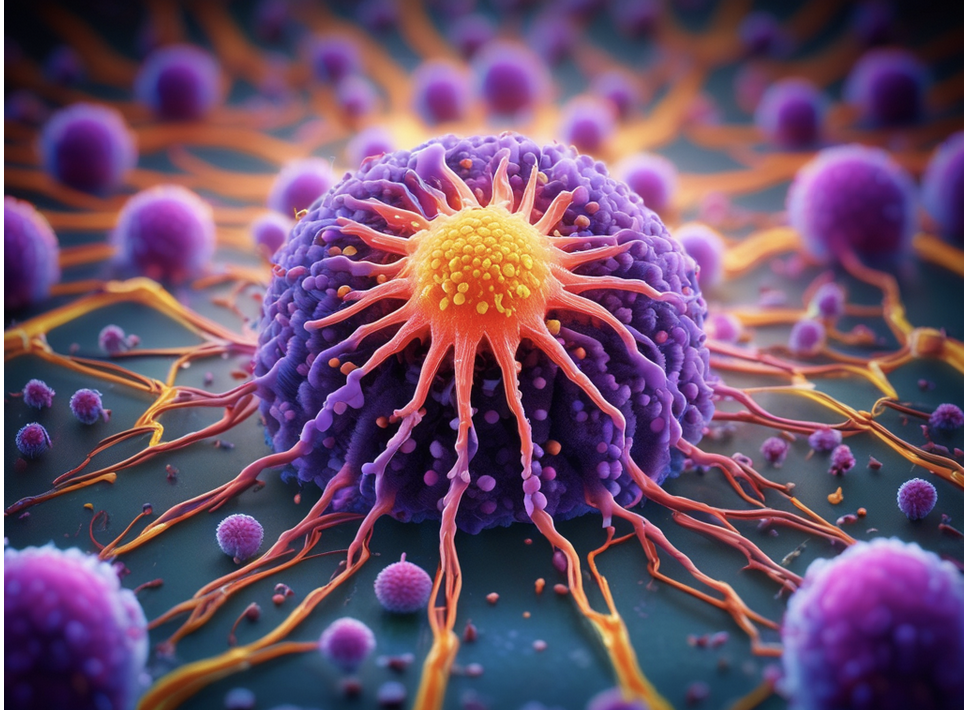
Cancer Metabolism and Immunotherapy
The immune system is a robust and essential system that distinguishes self from non-self, recognizes and eliminates pathogenic signals, and maintains homeostasis. A robust and healthy immune response relies on energy, which is provided by metabolism. Hence, the metabolic status of cancer and immune cells plays crucial roles in antitumor immunity. Our laboratory is primarily focusing on understanding the intricate crosstalk between cancer metabolism and antitumor immunity. Specifically, we are curious about how the metabolic status of cancer and immune cells influences cancer immunity by driving changes in protein post-translational modifications.

Cell Surface Protein Receptors
Cell membrane receptors play crucial roles in mediating the intracellular transduction of external signals. The crosstalk between immune cells and tumor cells primarily occurs through membrane protein interactions. Significantly, numerous membrane receptors have the ability to translocate into the nucleus, thereby regulating gene transcription. One of our major focuses is investigating the intracellular trafficking of membrane proteins and their novel functions within cells beyond serving as membrane receptors.
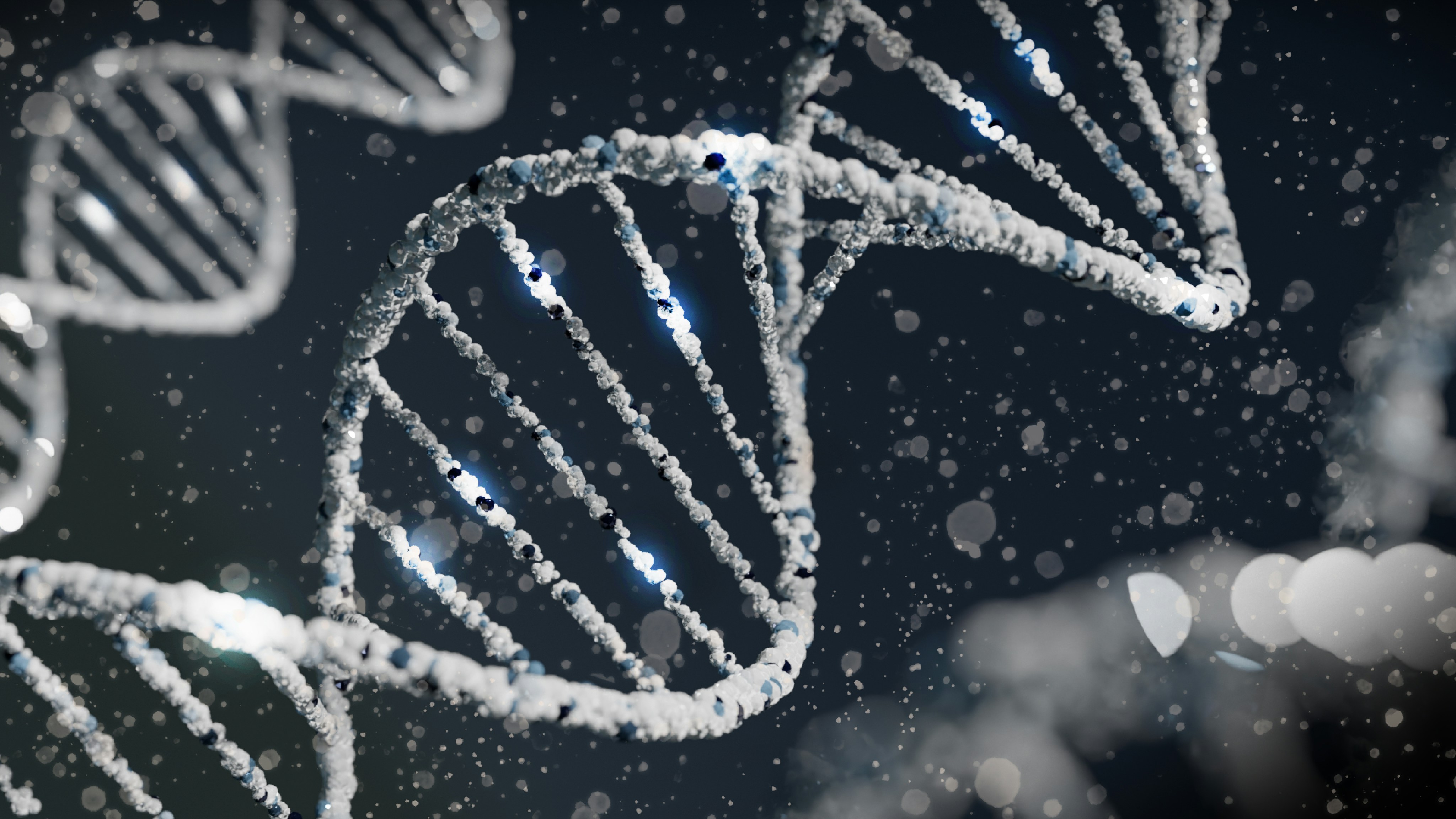
Epigenetics in Tumorigenesis
Epigenetic dysregulation, including aberrant DNA methylation, histone acetylation, and methylation, significantly contributes to tumorigenesis. Understanding these epigenetic alterations would offer valuable insights into cancer biology. In our lab, we are intrigued by exploring the involvement of epigenetic dysregulation in tumorigenesis, along with their potential as anticancer targets.
 Fabin Dang Lab